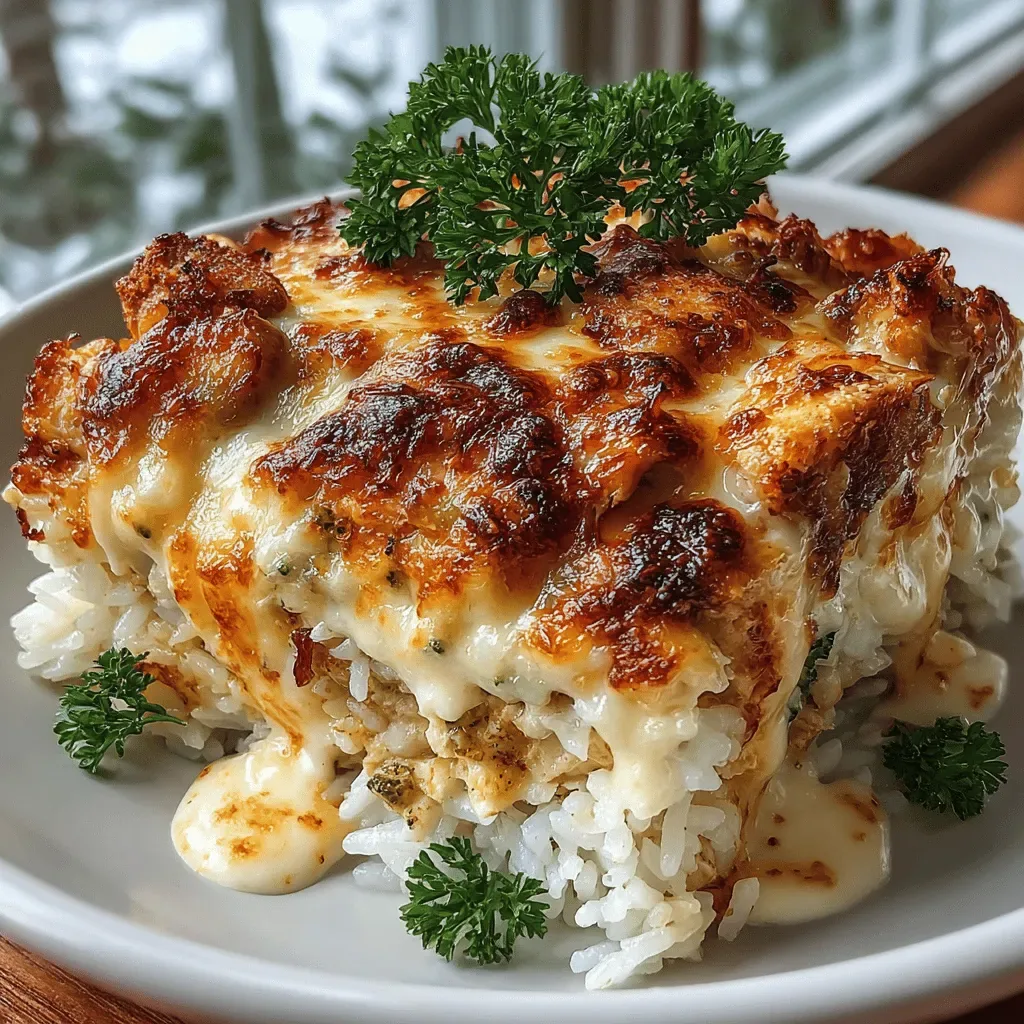
Why You'll Love This Recipe
I still remember the first time I baked an Oreo‑themed cake. It was for my niece’s fifth birthday, and the kitchen smelled like a chocolate factory. I had spent weeks searching for a recipe that felt both indulgent and approachable, something that would make her eyes widen the moment she saw the towering layers of cookie crumbs and creamy frosting. When the cake finally emerged from the oven, glossy and speckled with crushed cookies, the room erupted in cheers. That moment cemented my love for Oreo desserts and sparked a lifelong quest to perfect the ultimate birthday cake.
Over the years, I’ve refined the technique, experimenting with everything from different crumb bases to alternative sweeteners. I learned that the secret to a moist crumb lies in the balance of butter, sugar, and a splash of milk, while the frosting’s silky texture depends on the precise ratio of cream cheese to butter. Each trial taught me something new about texture, flavor integration, and presentation. The result is a recipe that feels like a warm hug for the palate, yet boasts a polished, bakery‑level finish that impresses even the most discerning guests.
What makes this Oreo Cookie Birthday Party Cake truly special is its versatility. Whether you’re celebrating a milestone birthday, a graduation, or simply a weekend treat, the cake adapts effortlessly. You can swap the classic chocolate crumb for a vanilla or red velvet base, incorporate fresh berries for a fruity twist, or drizzle caramel for extra decadence. The core of the recipe—rich, buttery crumb, luscious cream cheese frosting, and generous Oreo crunch—remains constant, providing a reliable foundation for endless creativity. Let’s dive into the details and bring this show‑stopping cake to your next celebration.
Instructions
Prepare the Crumb Base
Begin by preheating your oven to 350°F (175°C). In a large mixing bowl, whisk together the flour, cocoa powder, granulated sugar, and salt until evenly combined. In a separate bowl, cream the softened butter with an electric mixer on medium speed until light and fluffy, about 2‑3 minutes. Add the eggs one at a time, beating well after each addition, then stir in the vanilla extract. Gradually incorporate the dry ingredients into the butter‑egg mixture, alternating with the milk, beginning and ending with the dry blend. The batter should be thick but pourable. Fold in 12 crushed Oreo cookies, reserving the rest for the topping. Spread the batter evenly into a greased 9‑inch springform pan, smoothing the top with a spatula. This base will provide a sturdy yet tender platform for the frosting and decorative crumbs.
Bake the Crumb Layer
Place the pan on the middle rack of the preheated oven. Bake for 25‑30 minutes, or until a toothpick inserted into the center comes out clean and the top feels set. The crumb should have a faint crust but remain soft underneath. Rotate the pan halfway through baking to ensure even color. Once done, remove the cake from the oven and allow it to cool in the pan for 10 minutes; this prevents the crumb from cracking when you release the springform. Then, run a thin knife around the edge, release the spring, and transfer the cake onto a wire rack to cool completely. Cooling fully is crucial before applying the frosting to avoid melting.
Make the Cream Cheese Frosting
While the crumb cools, start the frosting. In a large bowl, beat the softened cream cheese on medium speed until smooth and free of lumps, about 2 minutes. Add the softened butter and continue beating until the mixture is light and fluffy, another 2‑3 minutes. Gradually sift in the powdered sugar, beating on low to avoid a sugar cloud, then increase speed to medium and whip for an additional minute. The frosting should be thick enough to hold its shape but spreadable. Fold in ½ cup of finely crushed Oreo cookies for that signature crunch throughout the frosting, and finish with a pinch of salt to balance the sweetness.
Layer the Frosting
Once the crumb base is completely cool, place it on a serving platter or cake board. Using an offset spatula, spread a generous layer of the cream cheese frosting over the top, smoothing it to the edges. For a taller cake, you may slice the crumb horizontally into two even layers with a serrated knife, then spread frosting between them, creating a classic “layer‑and‑frost” look. Ensure each frosting layer is even; a level surface prevents the cake from sliding when you add the final decorative topping. The frosting should coat the entire surface, sealing in the crumb and providing a creamy canvas for the Oreo garnish.
Create the Oreo Glaze
To achieve that glossy finish, melt 4 tablespoons of unsalted butter in a small saucepan over low heat. Once melted, whisk in ¼ cup of whole milk and ½ cup of powdered sugar until smooth. Remove from heat and immediately stir in 8‑10 crushed Oreo cookies, allowing the heat to melt the chocolate coating just enough to create a silky glaze. If the glaze is too thick, add a splash more milk; if too thin, whisk in a little extra powdered sugar. Let the glaze cool slightly—about 2 minutes—so it thickens but remains pourable.
Drizzle the Glaze
Using a spoon or a small ladle, drizzle the warm Oreo glaze over the frosted cake in a decorative pattern—think concentric circles, a zig‑zag, or random splatters for a whimsical look. Allow the glaze to cascade down the sides, filling any gaps and creating a glossy sheen that catches the light. The glaze will set within a few minutes, forming a thin, crack‑free crust that adds both flavor and visual appeal. If you prefer a thicker coating, repeat the drizzle after the first layer has set.
Add the Final Oreo Crunch
Sprinkle the remaining crushed Oreo cookies evenly over the top and sides of the cake. Press gently with your hands or a flat spatula to ensure the crumbs adhere to the glaze and frosting. For a more dramatic effect, arrange whole Oreo cookies in a circular pattern around the edge, creating a border that frames the cake. This final layer not only adds texture but also reinforces the Oreo flavor in every bite, making the cake unmistakably “Oreo‑centric.”
Final Chill and Serve
Transfer the completed cake to the refrigerator and let it rest for at least 30 minutes, preferably an hour. This chilling period allows the frosting to set, the glaze to harden slightly, and the crumb to fully absorb any lingering moisture, resulting in a cohesive slice that holds together. When ready to serve, use a sharp, warm knife—dip it in hot water and wipe dry between cuts—to achieve clean, even slices. Present the cake on a decorative platter, and watch guests' faces light up as they dig into the crunchy, creamy, chocolatey masterpiece.
Expert Tips
Tip #1: Use Room‑Temperature Ingredients
All dairy components—butter, cream cheese, and eggs—should be at room temperature before mixing. This ensures they emulsify properly, preventing lumps in the crumb and frosting. Cold ingredients cause the batter to seize, leading to a dense texture, while warm ingredients can cause the butter to separate, resulting in a greasy crumb. Allow the items to sit out for 30‑45 minutes or gently warm them in a microwave (10‑15 seconds) if you’re short on time.
Tip #2: Crush Oreos Strategically
For the crumb base, pulse Oreos in a food processor just enough to achieve a fine sand‑like texture; this distributes chocolate flavor throughout the cake. For the topping, keep the cookies coarser for a satisfying crunch. Over‑processing can turn them into a paste, which may make the frosting too thick and affect the cake’s structural integrity.
Tip #3: Prevent Crumb Cracking
After baking, let the crumb cool in the pan for 10 minutes before releasing the springform. This short rest allows the cake to set, reducing the risk of cracks when you remove the sides. Additionally, run a thin, flexible spatula around the edge before unlocking the spring to gently separate the cake from the pan.
Tip #4: Achieve a Smooth Frosting Surface
After the first frosting coat, place the cake in the refrigerator for 15 minutes. The chilled layer creates a firm “crumb coat” that prevents the final frosting from sliding off. When you apply the final layer, use a warm offset spatula (dip in hot water, wipe dry) to glide the frosting smoothly, eliminating streaks.
Tip #5: Control Glaze Consistency
The glaze should be thick enough to coat but thin enough to flow. Test by dipping a spoon; the glaze should coat the back of the spoon without running off. Adjust with a teaspoon of milk to thin or a teaspoon of powdered sugar to thicken. Remember, the glaze will firm up as it cools, so aim for a slightly looser consistency than the final look you desire.
Tip #6: Slice Cleanly
Warm the knife under hot water for 10 seconds, shake off excess, and slice. The heat melts a thin layer of frosting, allowing the blade to glide through without dragging crumbs. Clean the knife between cuts to maintain crisp edges. This technique yields professional‑looking slices, especially important for a birthday presentation.
Common Mistakes
- Mistake 1 – Over‑mixing the batter: Mixing the crumb batter too vigorously incorporates excess air, resulting in a cake that rises unevenly and then collapses, creating a dry texture. Mix just until ingredients are combined; stop as soon as the batter looks smooth.
- Mistake 2 – Using cold butter or cream cheese: Cold dairy creates lumps in both the crumb and frosting. This leads to a gritty crumb and a frosting that separates. Always soften to room temperature and, if needed, gently warm in short microwave bursts.
- Mistake 3 – Skipping the chill before frosting: Applying frosting to a warm crumb causes it to melt, sliding off the cake and creating a soggy appearance. A brief chill (10‑15 minutes) sets the crumb and makes frosting adherence much easier.
- Mistake 4 – Over‑crushing the Oreo topping: Turning all cookies into a fine powder eliminates the signature crunch. Keep a portion of the Oreos coarsely crushed or left whole for texture contrast on the final cake.
- Mistake 5 – Ignoring glaze temperature: Adding glaze while it’s too hot can melt the frosting, while a glaze that’s too cool will set before spreading, leaving gaps. Aim for a warm but not scorching glaze (around 120°F/49°C) before drizzling.
Variations
- Chocolate‑Mint Delight: Replace half of the cocoa powder with 1 tablespoon of peppermint extract and add green food coloring to the frosting. Sprinkle crushed mint‑flavored chocolate candies on top for a refreshing twist.
- Red Velvet Oreo Fusion: Swap the cocoa powder for 2 tablespoons of red food coloring and a tablespoon of cocoa, then use a red‑velvet cake mix as the crumb base. Pair with a cream cheese frosting infused with a splash of vanilla and a drizzle of raspberry glaze.
- Salted Caramel Oreo: Fold ¼ cup of homemade salted caramel sauce into the frosting and drizzle a thin caramel ribbon over the glaze. Sprinkle flaky sea salt on the final Oreo topping for a sweet‑salty balance.
- Gluten‑Free Celebration: Use a 1:1 gluten‑free flour blend for the crumb, and select gluten‑free Oreo‑style cookies (available from many brands). Ensure all other ingredients are certified gluten‑free for those with sensitivities.
- Vegan Version: Substitute butter with coconut oil, cream cheese with vegan cream cheese, and use a plant‑based milk. Replace the Oreo cookies with a vegan chocolate cookie that mimics the original texture. This version retains the flavor profile while being entirely plant‑based.
Storage & Reheating
Store any leftover cake in an airtight container in the refrigerator for up to 4 days. The chilled environment keeps the frosting firm and prevents the crumb from drying out. For longer storage, wrap the cake tightly in plastic wrap and then foil; it will maintain quality for up to 2 weeks in the freezer. To serve chilled cake, allow it to sit at room temperature for 15‑20 minutes before slicing. If you prefer a warm slice, gently microwave a single portion for 10‑15 seconds; this softens the frosting without melting it completely, restoring a fresh‑baked feel.
Serving Suggestions
- Pair with a tall glass of cold milk or a rich chocolate milkshake for a classic combo.
- Serve alongside fresh berries (strawberries, raspberries) to cut through the richness.
- Offer a scoop of vanilla bean ice cream on the side for an extra indulgent dessert plate.
- For a festive touch, garnish each slice with a dusting of edible gold glitter or a drizzle of white chocolate.
Nutrition
Per serving (1 slice, approx. 1/12 cake)