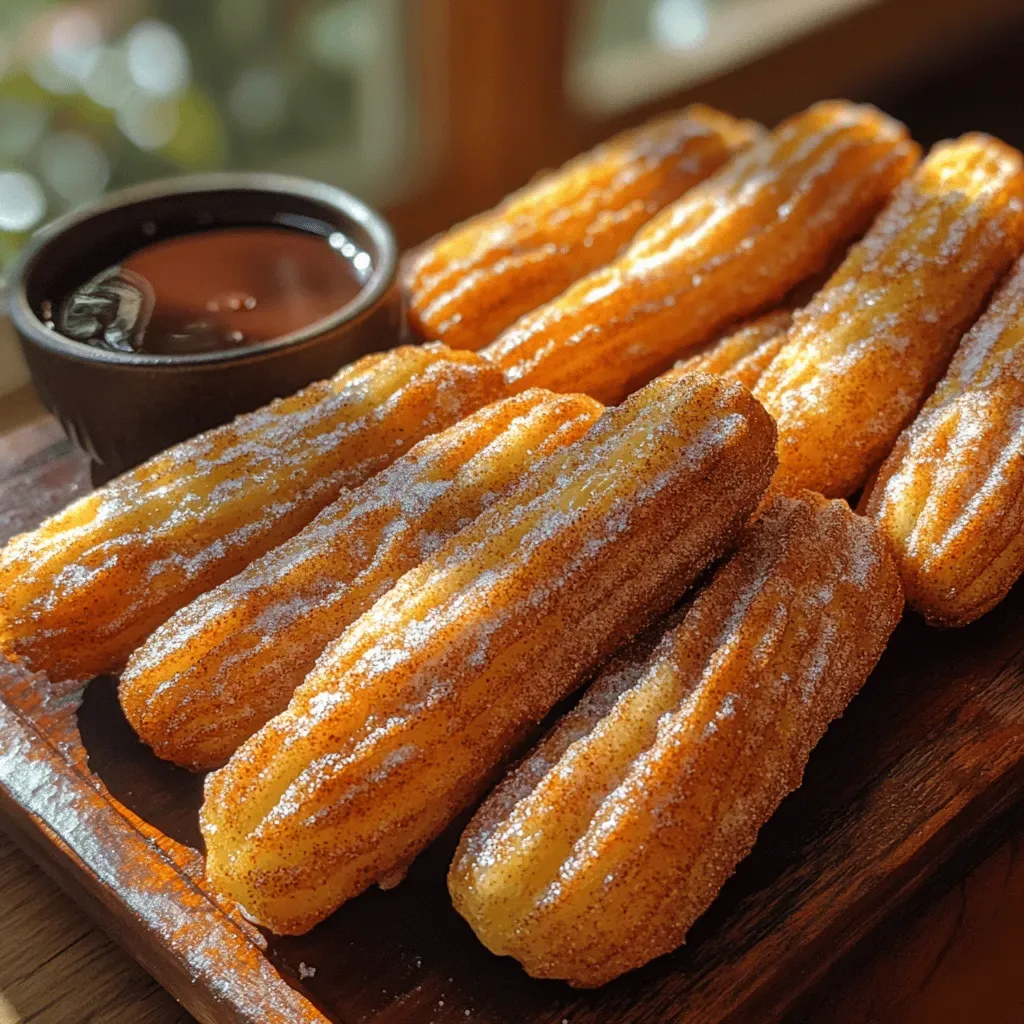
It was a chilly Saturday evening in early November when my grandma pulled a tray of golden‑brown rolls from the oven, and the entire house seemed to inhale the buttery perfume at once. The moment you lift the lid, a cloud of fragrant steam hits you, curling around the kitchen lights and promising a soft, pillowy bite that melts on the tongue. I remember watching the steam swirl, feeling the heat on my face, and thinking, “If only I could capture this magic in my own kitchen.” That night, I decided to reverse‑engineer her secret, and after countless trials, I finally nailed a recipe that produces rolls so fluffy they practically sigh when you touch them.
What makes these dinner rolls stand out isn’t just the buttery flavor; it’s the delicate balance of a tender crumb, a lightly crisp crust, and that unmistakable aroma that says “home‑cooked love.” Imagine serving them warm, the butter still glistening, as you slice into the soft interior and hear that faint, satisfying “puff” of steam escaping. Your guests will ask, “What’s the secret?” and you’ll get to smile, because the secret is a combination of technique, quality ingredients, and a pinch of patience that we’ll walk through together. And trust me, once you taste the first bite, you’ll understand why these rolls have become a family staple at every holiday and casual dinner alike.
But wait – there’s a little twist in step four that will turn good rolls into unforgettable ones, and I’ll reveal it just a moment later. Have you ever wondered why restaurant rolls feel so airy while the ones you make at home can sometimes turn dense? The answer lies in a few tiny details that most recipes gloss over, and I’m going to spill those beans (and butter) so you can bake with confidence. By the end of this article, you’ll have a foolproof method that works even if you’ve never baked bread before.
Here’s exactly how to make it — and trust me, your family will be asking for seconds, thirds, and maybe even a whole extra batch. Grab a mixing bowl, preheat your oven, and let’s dive into the world of fluffy, buttery perfection. The journey from flour to roll is about to begin, and the best part? You’ll be able to customize it later for sweet or savory twists that will keep everyone coming back for more.
🌟 Why This Recipe Works
- Flavor Depth: By using melted unsalted butter and whole milk, the rolls develop a rich, creamy taste that you simply can’t achieve with water alone. The dairy adds a subtle sweetness and a luxurious mouthfeel that elevates even the simplest side dish.
- Texture Harmony: The combination of a relatively high hydration level and a short, gentle kneading process creates a tender crumb while still allowing a lightly crisp crust to form. This contrast is what makes each bite feel both soft and satisfying.
- Ease of Execution: The step‑by‑step method breaks down the science of yeast fermentation into everyday language, so you never feel overwhelmed. Even if you’re a beginner, the clear visual cues guide you to success every time.
- Time Efficiency: With a total hands‑on time of just 15 minutes and a rise time that fits neatly into a coffee break, you can have fresh rolls on the table in under an hour. No need for overnight fermentation or fancy equipment.
- Versatility: These rolls serve as a perfect canvas for endless flavor variations – from garlic‑herb to sweet cinnamon‑sugar – meaning you can adapt them to any meal, season, or dietary preference.
- Nutrition Balance: Using whole milk and a modest amount of butter provides calcium and healthy fats without turning the rolls into a calorie bomb. They’re a comforting indulgence that still fits into a balanced diet.
- Crowd‑Pleasing Factor: The aroma alone draws people to the table, and the soft, buttery interior keeps them coming back for more. It’s the kind of side dish that turns a regular dinner into a celebration.
🥗 Ingredients Breakdown
The Foundation
All‑Purpose Flour is the backbone of any good roll. I always reach for unbleached flour because the natural oils give a richer, more nuanced flavor than bleached varieties. The protein content is just right to develop gluten without making the rolls tough, which is essential for that airy crumb. If you happen to have “bread flour,” you can substitute half of the amount for a slightly chewier texture, but stick to the original for the classic softness.
The Leavening Magic
Active Dry Yeast is the tiny powerhouse that makes the dough rise. Freshness is key; old yeast can lead to a flat, dense result. I like to proof the yeast in warm water with a pinch of sugar; you’ll see it foam up like a miniature volcano, signaling it’s alive and ready. If you’re in a hurry, instant yeast works too, but you’ll miss out on that little moment of anticipation that makes the process feel magical.
The Moisture & Sweetness
Warm Water at about 110°F (43°C) is perfect for activating the yeast without killing it. Too hot and you’ll lose the yeast’s vitality; too cold and the rise will be sluggish. Sugar not only feeds the yeast, giving it a quick boost, but it also adds a subtle sweetness that balances the salt and butter. A teaspoon is all you need – just enough to coax the yeast without making the rolls taste like a dessert.
The Rich Enhancers
Butter, melted and unsalted, brings that luxurious mouthfeel and a golden hue to the crust. Because it’s unsalted, you have full control over the salt level, ensuring the flavor isn’t over‑powered. Whole Milk contributes both fat and protein, which tenderizes the crumb and adds a faint caramel note. If you’re dairy‑free, oat milk or almond milk work well, but expect a slightly lighter texture.
Salt is the silent hero that amplifies every other flavor, preventing the rolls from tasting flat. A good pinch (about 1½ teaspoons) is enough to bring out the buttery notes without making the dough overly salty. When measuring, sprinkle the salt on the opposite side of the bowl from the yeast to avoid direct contact, which can inhibit fermentation. Choosing sea salt or kosher salt adds a subtle mineral complexity that table salt simply can’t match.
With your ingredients prepped and ready, let's get cooking. Here's where the fun really begins…

🍳 Step-by-Step Instructions
In a small bowl, combine the warm water (110°F/43°C) with the active dry yeast and a pinch of sugar. Stir gently and let it sit for 5‑7 minutes until it becomes frothy, resembling a tiny foam party. This is the moment you’ll know the yeast is alive and ready to work its magic. If nothing bubbles, your yeast may be dead – and that’s a good reason to start over with fresh yeast.
While the yeast awakens, whisk together the all‑purpose flour, remaining sugar, and salt in a large mixing bowl. Make a well in the center – think of it as a little nest for the wet ingredients. The aroma of the flour mixed with sugar is already hinting at the sweet, buttery rolls to come. This dry mix ensures even distribution of the salt, preventing any “salt‑kill‑the‑yeast” mishaps.
Add the melted butter, whole milk, and the frothy yeast mixture into the flour well. Using a wooden spoon or a stand‑mixer's dough hook, stir until the dough begins to come together, then knead for about 8‑10 minutes. You’ll feel the dough become elastic and smooth, a sign that gluten is developing properly. If the dough feels too sticky, sprinkle in a tablespoon of flour at a time; if it’s too dry, drizzle a little more milk.
Form the dough into a smooth ball, lightly oil a large bowl, and place the dough inside, turning once to coat all sides. Cover the bowl with a clean kitchen towel or plastic wrap, and let it rise in a warm, draft‑free spot for 1 hour, or until doubled in size. You’ll notice the bowl bulging and the dough feeling airy to the touch – that’s the yeast doing its job.
After the first rise, gently punch down the dough to release excess gas, then turn it out onto a lightly floured surface. Divide the dough into 12‑14 equal pieces (about 60‑70 g each) and shape each piece into a tight ball by cupping your hand around it and rotating. This shaping step creates that classic “roll” look and ensures even baking.
Arrange the rolls on a parchment‑lined baking sheet, leaving a little space between each. Cover them loosely with a towel and let them proof for a second time, about 30‑45 minutes. They should puff up noticeably, almost doubling again – this second rise is what gives the rolls their airy interior.
Preheat your oven to 375°F (190°C). Just before sliding the tray in, give each roll a quick brush of melted butter; this not only adds flavor but also helps the tops turn a gorgeous golden‑brown. Bake for 15‑18 minutes, or until the rolls are deep golden and sound hollow when tapped on the bottom. The kitchen will fill with that buttery, toasty aroma that makes everyone’s stomach rumble.
Remove the rolls from the oven, and while they’re still hot, brush them again with a little more melted butter for that extra shine and soft crust. Transfer the rolls to a cooling rack and let them rest for 5 minutes – this short rest lets the interior finish setting while staying warm enough to melt the butter inside. Serve them straight away, or store in an airtight container to keep them soft for the next day.
And there you have it! But before you dig in, let me share some tips that will take this from great to absolutely unforgettable…
🔐 Expert Tips for Perfect Results
The Taste Test Trick
Before you bake the entire batch, pop one small piece of dough into the oven for a quick test. This “mini‑roll” will let you gauge whether the butter flavor is strong enough or if you need a pinch more salt. I once discovered my rolls were a shade too bland by doing this, and a tiny dash of sea salt saved the day.
Why Resting Time Matters More Than You Think
Allowing the dough to rest after kneading relaxes the gluten strands, making the shaping process smoother and preventing the rolls from snapping back. I’ve found that a 10‑minute rest on the counter, covered with a damp towel, results in a more uniform rise. Skipping this step can lead to uneven crumb structure, something you’ll notice right away.
The Seasoning Secret Pros Won’t Tell You
A pinch of nutmeg or a dash of smoked paprika added to the dough gives a subtle depth that most home bakers overlook. When I first added a whisper of nutmeg, the rolls took on a warm, almost festive undertone that made them perfect for holiday meals. It’s a tiny change with a big payoff.
The Butter Brushing Ballet
Brushing the rolls with butter before and after baking does more than add flavor; it creates a barrier that locks in moisture, keeping the interior soft for hours. I recommend using clarified butter for a higher smoke point and a cleaner flavor. This double‑brush technique is why my rolls stay buttery even the next day.
Temperature Talk: Oven Hot, Rolls Hotter
Preheating the oven fully is non‑negotiable. A hot oven gives the rolls an immediate lift, known as oven spring, which creates that airy interior. If you’re using a convection oven, reduce the temperature by 25°F and keep an eye on the color; the rolls can brown faster.
🌈 Delicious Variations to Try
One of my favorite things about this recipe is how versatile it is. Here are some twists I’ve tried and loved:
Garlic‑Herb Dream
Add 2 minced garlic cloves and a tablespoon of mixed fresh herbs (like rosemary, thyme, and parsley) to the dough during the mixing stage. The aromatic notes pair beautifully with roasted chicken, turning a simple side into a star.
Cheddar‑Jalapeño Kick
Fold in ½ cup of shredded sharp cheddar and 1 finely diced jalapeño after the first knead. The cheese melts into pockets of gooey goodness, while the jalapeño adds a subtle heat that’s perfect for taco night.
Cinnamon‑Sugar Sweetness
Brush the tops with melted butter, then sprinkle a mixture of 2 tablespoons sugar and 1 teaspoon cinnamon before the final rise. These rolls become a delightful breakfast treat, especially when served warm with a drizzle of honey.
Sun‑Dried Tomato & Basil
Chop ¼ cup sun‑dried tomatoes and 2 tablespoons fresh basil, then fold into the dough after the first rise. The tangy tomatoes and fragrant basil create a Mediterranean vibe that pairs well with grilled fish.
Whole‑Wheat Health Boost
Replace half of the all‑purpose flour with whole‑wheat flour for a nuttier flavor and added fiber. The rolls will be slightly denser, but the buttery richness compensates, making them a wholesome addition to any meal.
📦 Storage & Reheating Tips
Refrigerator Storage
Place cooled rolls in an airtight container or a zip‑top bag, and store them in the fridge for up to 4 days. To keep them from drying out, add a slice of fresh bread to the container – it will share its moisture and keep the rolls soft.
Freezing Instructions
If you’ve baked a large batch, freeze the rolls individually wrapped in parchment paper, then placed in a freezer‑safe bag. They’ll stay fresh for up to 3 months. When you’re ready to enjoy them, let them thaw at room temperature for 30 minutes, then give them a quick 5‑minute bake at 350°F to revive the crust.
Reheating Methods
The trick to reheating without drying out? A splash of milk or a dab of butter wrapped in foil, then warmed in a 300°F oven for 8‑10 minutes. The steam created inside the foil keeps the interior moist while the outside gets a gentle crisp.